Episode 76: The Pursuit of the Difficult- An Interview with Army Ranger, Financial Professional, and Outdoorsman Tim Kallas
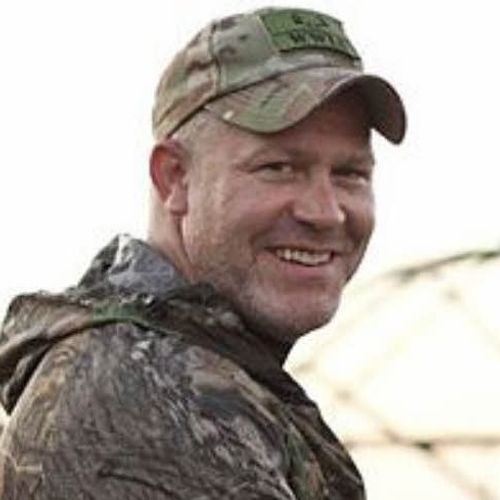
On this latest episode of the WWIA Podcast, WWIA Founder and CEO, John McDaniel, proudly welcomes longtime friend and dedicated WWIA supporter, Mr. Tim Kallas!
Born and raised in the Chicago and Milwaukee areas, Tim began his military journey as an ROTC scholarship recipient, earning the prestigious Gauntlet Award at Fort Knox in 1982. Commissioned as an Infantry Officer in 1984, Tim went on to serve in both the California Army National Guard and on active duty in the United States Army.
A graduate of both Airborne and Ranger Schools, Tim served with the 3rd Infantry Division in Germany, where he had the distinct honor of leading the Audie Murphy Platoon. He would also serve as a Company Executive Officer and Battalion Adjutant before concluding his active-duty service in 1992.
Following his military career, Tim transitioned into the financial industry, spending more than two decades in investment banking before moving into private wealth management.
An avid outdoorsman, Tim's passion for hunting and fishing spans decades and continents. From hunting throughout Germany to pursuing upland birds, waterfowl, and big game here at home, he's experienced just about every facet of the sporting life. He's also an accomplished fly fisherman and has trained and competed with his German Shorthaired Pointer.
Beyond his impressive military and professional accomplishments, Tim shares a deep appreciation for the outdoors, the bonds of brotherhood, and the lasting camaraderie that comes through service and shared experiences—values that are at the very heart of WWIA's mission.
We're proud to have Tim as a friend and supporter of the Foundation, and we're excited to share his story with you on this latest episode of the WWIA Podcast! Without further delay, let’s join John and Tim for an engaging conversation as they reflect on military service, life's journeys, a shared passion for the great outdoors, and the friendships that make it all worthwhile.
Takeaways:
- I emphasize that perseverance and resilient effort define success in both life and service.
- I describe how the outdoors and solitary pursuits aid healing, reflection, and personal growth.
- We explain that Wounded Warriors in Action provides structured outdoor experiences that restore purpose and dignity.
- I recount that character witnesses and honest testimony can change outcomes in critical military evaluations.
- I reflect that pursuing difficult challenges refines skill, fosters humility, and builds disciplined judgment over time.
- We highlight the importance of mentorship, team support, and repeatable processes in scaling impactful veteran programs.
- I state that attitude and effort are simple principles that guide resilience, recovery, and lifelong achievement.
This episode of the WWIA Podcast is sponsored by ABLEnow. ABLEnow is a national ABLE savings program designed specifically for people with disabilities. It allows eligible individuals to save and invest money in a tax-advantaged account without risking certain means-tested benefits, such as SSI or Medicaid. ABLEnow is available nationwide and serves eligible individuals in all 50 states. Learn more about ABLEnow: https://t.co/r5071ltB0G
Mentioned in this episode:
ABLEnow
This episode of the WWIA Podcast is sponsored by ABLEnow. ABLEnow is a national ABLE savings program designed specifically for people with disabilities. It allows eligible individuals to save and invest money in a tax-advantaged account without risking certain means-tested benefits, such as SSI or Medicaid. ABLEnow is available nationwide and serves eligible individuals in all 50 states. Learn more about ABLEnow: https://t.co/r5071ltB0G
Transcript
Foreign.
Hello and welcome to the WWIA Podcast.
We're honored to have you join us in our mission to bring honor, connection and healing to America's combat wounded Purple Heart heroes.
If this is your first time listening to this podcast, we welcome you.
If you're a returning listener.
Thanks for coming back.
Please be sure to tell others about our podcast and leave us a review if you're enjoying what you're hearing on this latest episode of the WWIA Podcast, WWIA founder and CEO John McDaniel proudly welcomes longtime friend and dedicated WWIA supporter Mr. Tim Kalis.
auntlet Award at Fort Knox in: ned as an infantry officer in:A graduate of both Airborne and Ranger schools, Tim served with the 3rd Infantry Division in Germany, where he had the distinct honor of leading the Audie Murphy Platoon.
ng his active duty service in:Following his military career, Tim transitioned into the financial industry, spending more than two decades in investment banking before moving into private wealth management.
An avid outdoorsman, Tim's passion for hunting and fishing spans decades and continents.
From hunting throughout Germany to pursuing upland birds, waterfowl and big game here at home, he's experienced just about every facet of the sporting life.
He's also an accomplished fly fisherman and has trained and competed with his German shorthaired pointer.
Beyond his impressive military and professional accomplishments, Tim shares a deep appreciation for the outdoors, the bonds of brotherhood, and the lasting camaraderie that comes through service and shared experiences, values that are at the very heart of WWIA's mission.
We're proud to have Tim as a friend and and supporter of the foundation, and we're excited to share his story with you on the latest episode of the WWIA Podcast.
Without further delay, let's join John and Tim for an engaging conversation as they reflect on military service, life's journeys, a shared passion for the great outdoors, and the friendships that make it all worthwhile.
John McDaniel:Hi, I'm John McDaniel, founder and CEO of the Wounded warriors in Action foundation, and this is our podcast, Honor, Connect, Heal.
So today, I gotta tell you, I mean, I've been looking forward to this podcast for a long time.
I actually gave it a lot of thought and I don't know if I'm gonna go to my plan here or not.
But I've got with us on the podcast, Tim Kalis.
Tim, welcome to the program.
Tim Kallas:Thank you, John.
It's an honor to be here.
And thank you so much for the invitation.
John McDaniel:Yeah, man, I'm stoked.
So I got to tell the story.
Let's just get right to it.
You know, they say as an infantryman, you want to start any ambush or raid with your most casualty producing weapon.
Right.
So that's.
Go there and just get right into it.
So here's the backdrop for everybody, right?
Ranger Callous and I were in the same.
We were in the same.
We were in the same basic course together, right?
Yes.
That's where I first met you.
Tim Kallas:Yeah.
John McDaniel:At Fort Benning.
Basic course,: Tim Kallas:November of 87.
John McDaniel:November of 87.
Okay.
And I remember you.
I said, okay, this is a guy I like.
Okay.
It's a huge class, right?
You're a K, I'm an M. But it's a huge class.
How many you reckon there 800 kids in that infantryman?
A huge amount.
Tim Kallas:It was.
It was a big class.
Yeah.
John McDaniel:And everybody's trying to figure out who's who in the zoo.
Tim Kallas:Right?
John McDaniel:Right.
These are young infantrymen that have maybe airborne wings and that's it.
We haven't been to.
We're not tested.
We're not really.
We just are in the basic course for infantry, and then from there you go on to a unit in a.
Or Ranger school, as it was.
All infantrymen were expected to go to Ranger school, right?
Tim Kallas:They were.
I, I remember, you know, the dynamic of going active duty as a, as a young lieutenant and pulling on the Benning and into that course, and then all of us together in platoon structure.
And what struck me was there were West Pointers, there were OCS guys, there were ROTC guys, and there were prior service guys that had come up, you know, into.
Through one of the commissioning programs.
And all of a sudden there was this hodgepodge of young men, newly commissioned, that wanted to prove themselves.
And we had.
I don't know how long that course was.
I can't remember.
It was close to six months, I think.
And every single classroom class that started this always struck me that if you recall, the instructors would come up on stage and they would always start with, how many of you are going to Ranger school?
And at the beginning of the course, like the whole class who, you know, arms up.
And I remember when it got down to like the last three, four weeks of the course, a lot fewer Hands went up because,.
John McDaniel:You.
Tim Kallas:Know, it was push come to shove and do you have the gonads to go through this and are you really going to do it?
Right.
And I.
John McDaniel:Exactly.
Tim Kallas:I thought that dynamic was interesting.
John McDaniel:Now, you described it very well.
It was an eclectic mix, but the one thing we all shared was we wanted.
We were infantrymen, young lieutenants, like you said, of all coming from all over, different, you know, parts of the, you know, of the globe, to, to do this thing.
Anyway.
Yeah, so I've got a, I've got a diamond on my shoulder, right.
For the fifth infantry.
And, and that's mechanized.
And so it doesn't really match up with Ranger school too well for my first assignment.
But nonetheless, we get into Ranger school and I will tell you my side of the story is that I, I got through the first phase at Benning with an honor graduate go.
Okay, so you get one patrol, right?
It's planning, it's all this stuff.
It's city week.
They're just trying to weed you out.
Basically.
The first week is just hell, you know, at least it was back then.
And then they're just trying to get rid of the guys that really can't be there physically or mentally shouldn't be there.
Tim Kallas:Correct.
John McDaniel:And, and, and they do a good job of that.
So the, the class shrinks pretty quickly.
And those guys that make it through the first week, city week, as they call it, then we go out and planning and we do some patrolling and, and I get called to be the Pl and I get an undergraduate go.
Which me.
That's the highest it gets.
And I'm like feeling pretty good about myself and I don't think I did anything exceptional.
I think I had to.
Everybody was fresh and I had a good squad and life was good.
And, and I got an honor graduate go.
So I'm feeling really good about myself moving forward into Dahlonega.
Right, because that's phase two.
Tim Kallas:Right?
John McDaniel:Now let's go to Dahlonega for a second.
We get to the mountains of Georgia.
It's.
It's nestled in amidst the Tennessee Valley Divide.
So the train is steep, it's mountainous, it's rugged, there's mountain laurel everywhere, and it's tough, right?
So.
But I remember one thing right.
So we took a bus from Fort Benning to Dahlonega, Georgia.
You know, I reckon that that's maybe a three, four hour drive.
It's not much, but, you know, we're all catching Z's on this bus.
And then we get there and the lights go on and it's you know, get off my bus, you know, and they, you know, and they put us on this pad, these floodlights in our face.
It's like three o' clock in the morning or some ridiculous thing and, and it's pitch dark and they're, you know, w, w w w w and they're giving you all the stuff that you're not supposed to do at the camp, you know, and you're half, you're droning, you know, and you just want to go sleep and then wake up and do whatever they got you doing, right?
So I, I took, I, you know, I listened vaguely to what they said, but I do remember them saying, if you have any, this will come in later in the story.
If you have any prescription medication, you need to go get it checked at the tmc, the troop Medical Clinic.
And I like, I'm thinking to myself, I don't have any prescription medication.
But I, I do have something in my bag that could be considered medicine, I guess.
But I'm not, I didn't say anything.
I was half asleep.
I didn't think it was, I know it's not prescription medication, so I, I didn't say anything.
So anyway, we, we go on and now they, they, they and I get a go in the first, in the first half of that.
And then they re sectioned us, remember?
So that, so your squad went from a squad to a section.
It's two squads now.
Tim Kallas:Yeah.
John McDaniel:And they're planning and I already got my ghost.
I'm like, I'm looking forward to going to Florida.
And we're, you know, I'm almost there, I'm almost at the next phase.
And then they, they're laying out everybody's kit, right?
And we've already laid it out.
And as the patrol leader is talking everybody through this thing, right, he, he reaches down and he's digging in my rucksack and I can hardly see it, but I'm like, what's he, he's got something.
He's got something.
I.
Tim Kallas:Remember saying to you, we were around the giant sand table and I, I, I think we're at the point where whoever is.
John McDaniel:Melville, Sergeant Melville.
Tim Kallas:Yeah, I.
John McDaniel:Know.
Tim Kallas:On the mission, on a, on a sand table that was as big as a, a two car garage floor.
Exactly.
I remember Watson, Melville.
And I'm like, John, what the hell is he doing?
And they were dumping everybody's rock sack, unrolling socks, looking in, you know, boot soles.
Like they, they, it was, they're.
John McDaniel:Looking for contraband.
They're,.
Tim Kallas:Yeah,.
John McDaniel:They're looking for anything that you're not supposed to have.
And so, so he's got something, he's got something pulled out of my ruck sack.
The patrol leader finishes patrol and he's like, come here, Ranger.
Right now I'm a lieutenant.
But you don't, you're not wearing any rank and it doesn't matter.
In Ranger school you could be a general officer.
It didn't matter.
So Melville's an E6, a sergeant.
E6.
And he's like, he's got this little baggie of aspirin in his hand and he puts it, he puts it like 3cm away from my eyeball.
Tim Kallas:Yeah,.
John McDaniel:He's like, got it right there.
Dang.
Then he goes, what's this, Ranger?
And I go, I go, it's not funny, man.
But I go, I go, that's aspirin, Sergeant.
He goes, did you get this checked at the tmc?
And I said, no, I did not.
He goes, I got you, Ranger.
I got you.
You know, it's like, you're done.
You guys stand over there.
So, so he goes, you're gonna go see the man.
Tim Kallas:Reminding me, I'm trying to remember later in the movie A Band of Brothers, when that captain and he holds up the can of pizzas and he goes, what's this?
The S2 goes, it's a can of peaches, sir.
Holding that baggie like what?
Like it's aspirin.
John McDaniel:Yeah, it's, it's, it's, it's aspirin, Sergeant.
Oh my God.
Yeah, he was, yeah, well, no, he was about 6 foot, he was tall, drink of water, you know, very thin.
Yeah, very lanky.
So anyway, so they've, they, you know, they've got me sequestered and they marched me up to the hill and on the hill is the battalion commander and the sergeant major come down.
Johnny.
Can't remember his last name.
I got a, not a dor, but I've got a piece of paper, a reprimand that's got a signature on.
I should have had it for this podcast.
But anyway, so he comes down with the sergeant major.
I got the squad radios, the 129s strapped onto my LBV, my load bearing equipment, because I think I'm going on this mission.
Right, right.
It's just aspirin.
And so the battalion commander, a lieutenant colonel, and the, and the command sergeant major come down out of the head shed.
There's me, Melville and those two and, and, and the com.
Commander, major is not saying anything, but the colonel who Happens to be a pretty fair guy.
He's kind of calm, but he says something I don't like, and I.
And I take my finger and I pointed at it.
Tim Kallas:Oh, man.
John McDaniel:I know I pointed at him and I said something.
My face opened up and my mouth opened and I said something.
I know I shouldn't have said it too, because it was like.
I don't know.
I. I just did it.
And it was wrong, man.
And I admit it was wrong.
The sergeant major comes over to me and he grabs me by the lbv,.
Tim Kallas:Right?
John McDaniel:He pulls a buck knife out of his pocket and he starts saw cutting off the.
My.
My radios from my lbv.
And he goes, you just point it.
He goes, ranger, you just pointed your finger at a goddamn lieutenant colonel here.
Done.
Just like that.
Like, right in my face.
And I'm like, oh.
The next thing I remember, man, you're standing there.
Tim Kallas:Yeah.
John McDaniel:With this look on your face, like, dude.
And the choppers are coming in and they're setting down on the pad.
It's.
And you guys are going off on this mission, and I'm not.
Tim Kallas:Yeah, so.
e, for the audience, this was:So.
John McDaniel:Right.
Tim Kallas:And.
And John and I lost touch with each other for a long, long time and then reconnected.
So these stories, like, for guys that are, you know, I'm 62 now, it's hard to.
John McDaniel:Yeah,.
Tim Kallas:It's.
John McDaniel:Hard to remember.
Tim Kallas:They took John.
And we're like, where are they taking?
And they're like, they basically told the.
The rest of us to shut the hell up.
And, you know, we got birds coming in and getting ready for this mission.
So we're in a small valley.
I didn't even know where they had taken you at the time.
You were off to the side, but it was lush, vegetated in.
In the 60s were coming in and we were prepping our gear and those new radios and camoing up.
I remember we were camoing with the old school camo sticks, you know, different colors.
We worked our teeth.
We literally get our teeth.
And.
And anyways, my.
The birds come in.
My stick gets on my bird, and I'm like, john's gone, right?
Like, this is how I. I remember this.
And, you know, there's.
There's a half a dozen 60s that just sat down.
I mean, it's loud, right?
And.
And,.
John McDaniel:Yeah,.
Tim Kallas:You're rocked up with 80 pounds of.
Of gear and water and in, you know, ammo.
And my ass hits the skid and this guy runs over to the skid and Then I look and see you and.
And who I didn't know, but was the battalion commander and sergeant major.
John McDaniel:Yeah.
Tim Kallas:Are you callous?
And I go, I am.
And he grabs me by the uniform and he goes, come with me.
The colonel wants to talk to you.
And so I, you know, get off and waddle over there and run as best I could.
And I remember him standing there and you there in the sergeant major.
And the colonel, or the sergeant major, I can't remember, goes, how do you know this man?
I'm like, sir, we just finished IOBC together, right?
Like, I spent six months with this guy.
And.
And, you know, he said something like.
He pulled me this side and said something like, is he a good man?
Would you want to be in battle with him?
I go, listen to me, sir.
I go, if there's one guy I remember in my IOBC class that I want leading my platoon or be in his platoon, it's John McDaniels.
I'm like, I don't know what the hell that was in that bag, but this guy should be on this mission, and he's the perfect guy.
And that's not scripted, folks.
Like, that's what I said to him.
And he's like.
And at some point, I had an interaction with the sergeant major.
Maybe they were both there and left you to decide.
And they're like, okay, that's what we needed to hear.
And they're like,.
John McDaniel:I didn't know.
Get.
Tim Kallas:Back on the bird.
And.
John McDaniel:You know what it was?
Tim Kallas:You wouldn't have known it because it was so loud, dude, I had no idea that.
And then they go, get back on the bird.
I got.
As soon as I turned around and my ass at the skid on that bird, I. I saw you.
That's when you, you know, kind of.
I don't know what the colonel said to you, but that's when you put your finger up.
And I watched that sergeant major pull that buck knife.
And I'm like.
And the guys are yelling at me on the bird going, what's going on?
I go, they're cutting his comms off, man.
He's.
He's not coming in.
The birds picked up.
And I remember it was like a movie, you know, nose down to get out of that valley.
And.
And.
And.
John McDaniel:There I am.
I'm not there.
Tim Kallas:I gotta finish this, though.
Like, looking down at you as we were picking up, going over treetops, and you looking up like you were looking at me.
And I did.
I think I put my hand out to you and, like, it Was a tough moment for me, man.
Like I, I had developed a great relationship with you.
We didn't know what.
Anyways, it was,.
John McDaniel:Dude, you probably saved me.
You know what was going to happen.
I didn't know that story.
I swear to God I didn't know that part of the story.
You know what they did, they wanted a character witness.
Right.
And they asked you.
And I was probably going to get kicked out, but they gave me another chance.
It was either getting kicked out or getting recycled.
And I wasn't going home other than in a box, man.
I was not going to quit.
Tim Kallas:Yeah.
John McDaniel:But anyway, so you probably saved my six point of contact on that one because they, they, they recycled me.
And then there was a cycle break and then I had to join another try, you know, at the end of the day, I, I, I, and I got recycled again later.
So I just did the course like twice.
But I saw you, you were in like the Bradley course.
Tim Kallas:Yeah.
John McDaniel:Is that true?
Tim Kallas:Yeah.
John McDaniel:And we were at Benning.
I graduated finally.
Like two classes after you.
Tim Kallas:Yeah,.
John McDaniel:They had to do it again.
Tim Kallas:Yeah.
John McDaniel:And then, and then I saw you at, at, at like that mechanized Bradley course or something.
You're like dud sport in my Ranger tab.
Tim Kallas:Yeah.
John McDaniel:And you're, you're.
Tim Kallas:Like from graduation, I think,.
John McDaniel:I think probably.
So.
Tim Kallas:Let me take that part of the story.
I, I had, look, I made it straight through in my class.
I, I, I got patrol leader goes in every phase.
I had seven patrols and got six ghosts.
And for some like, I, I could have been right up there in my class for some reason in Florida, I get a no go on a patrol.
And I'm like, hey, sir, it was a captain evaluating me.
And he goes, you had a guy sleeping in your perimeter.
I go, look, sir, I, I spent the day in the perimeter planning.
I did three perimeter checks myself.
I got on my knees, I checked every man that they weren't sleeping at some point.
Like I can't control it if a guy closes his eyes.
Anyways, I finished that course, took I think two weeks of leave, went back to Benning, did the Bradley course, finished that and was PCSing to Germany to the third where by the grace of God, I got the Audie Murphy platoon.
But when I was out processing, I remember this vividly because I wondered what happened to you.
And there was nobody else in the self processing.
It was like all civilians, personnel that doing all your stuff and you walked.
John McDaniel:In cif.
Tim Kallas:I saw you and I'm like, is that, is that McCandless?
And I walked over to your.
I was coming up to you on your right side, and I'm telling you, you had just come from, like, graduation.
You were worked over like every Ranger student is when you graduate.
John McDaniel:Oh.
And.
Tim Kallas:I'm like, that's John.
And you had intense, like, sunburn on your face and where your glasses were.
Like, there was a white line.
And I walked over to your left side, and you had a tab on with a safety pin through it.
And I go, john,.
John McDaniel:Oh.
I.
Tim Kallas:Go, john, you may not remember this.
And you turned and looked at me, and I just grabbed you and gave you a bear.
Like, you.
You made it right.
And.
Because I didn't know what happened to you.
So.
Yeah.
John McDaniel:What a great story, man.
Thanks for sharing that.
I wanted to.
I've been thinking about that forever.
I intentionally didn't ask you because I don't.
I wanted to hear it straight from the vein, like, your side of the side of the story.
For me, that was a. I mean, and it turns out that you were.
You're most likely the only reason I got to do it again, because you're that.
Honest to God, if you sell.
If you'd have told him I was a dirt bag, like, you know, you wouldn't even follow me.
Out of curiosity.
Right?
Tim Kallas:Well, listen,.
John McDaniel:I don't.
They would have kicked me.
Tim Kallas:Out.
Listen, I told the truth.
Right.
And they asked me a question.
Tell me about you.
And I told the truth, obviously meant every word of it.
And,.
John McDaniel:Yeah, I.
Tim Kallas:Think you got a raw deal there.
But, you know, the Lord.
The Lord puts tests in front of us for a reason.
John McDaniel:Yes,.
Tim Kallas:Right.
And.
And you got through it.
And I was amazed, like, how well, you were there.
John McDaniel:You know, I. I was.
You know, I asked David, who works for us, to, you know, put your bio together so I could, you know, just kind of refresh my memory on some of the, you know, great accomplishments that you've made.
You know, you're a.
And then I saw you in California.
I mean, I went to go visit you, and you shared your home with me, and you're an amazing cook.
I mean, I.
You know what?
This is what I want that I want the podcast to be called.
I'm Going to.
I'm Going to.
I usually don't direct it, but this one, I'm going.
This is the pursuit of the difficult.
Tim Kallas:Yeah.
Because.
John McDaniel:There's, like, one other person on the planet that I think that I know very well that pursues difficult things.
Like, I do.
Like, if you look at you, man.
I mean.
Okay, so I was looking at Your dossier.
And I'm like, okay, that's that.
Okay, so he is an infantryman, is a Ranger.
He's.
He's airborne.
He.
He loves to fly fish.
He's a fly tire.
He's a longbow dude.
He loves dogs.
You know, he's, you know, the list just goes on and on.
You're a financial guru.
I mean, you have spent your whole life, and there aren't that many people that do this, pursuing difficult things.
Is that not true?
Tim Kallas:It's true.
You use that term with me when we were talking some years ago, and it really stuck.
Like, look, you know, I think if you choose to be infantry, if you choose to go to these difficult schools like Ranger school, if you choose to be an infantry officer or an infantryman, like, you are choosing a very difficult profession.
And, you know, it's a, for me, it's a blessing and a curse when you say the pursuit of the difficult.
You know what that part of my career taught me was you have to try to be perfect, because if you don't and you f up like, people can get hurt and die.
And I learned so much from NCOs and senior officers of me and watch some of these men work with such proficient proficiency in just meticulous behavior, whether it was with weapons, land nav, just reading that, it rubbed off on me.
And so I spent my life, like teaching myself how to, how to fly fish and people casting and then tying and then pursuing the difficult in fly fishing, saltwater fly fishing, tarpon permit, bonefish.
I started bow hunting for elk with a math used compound.
And my Navy SEAL buddies like, listen, it's like you try to do things hard.
Why don't I go figure out how to make longbows?
And he spent four days in North Carolina training to be a Boyer and came back and said to me, tim, what do you want?
I said, I want an Osage Indian longbow.
And we spent four trips chasing elk around the mountains with primitive longbows and wood arrows.
Right?
So I, I don't know.
To me,.
John McDaniel:Awesome,.
Tim Kallas:All those passions.
And I'll shut up after this.
John, in going into detail, whether it's golf, fly fishing, hunting, whether it's water fouling, training a bird dog, bow hunting for elk with a primitive longbow, I, I want to make it difficult, and I want to see how good I can get.
And I also have no problem failing at any of those because feeds me for going further and getting better at something.
That's it.
And that's how I, I live My life.
And I think the military largely taught me that.
John McDaniel:That's, yeah, that's, that's spot on, you know, and I, when I look at it and it wasn't, it's not like I go, oh, that's really hard.
Let me go learn how to do it.
Do that, you know.
No, it's because I want to do it like, like, I, I, I want to.
You know, learning playing chess at a very high level is difficult.
I like that.
You know, I love to play pool and I love to be, you know, good at pool.
It's just like, how good can I get at this thing, whatever this thing is that I'm interested in, I'm not doing it to, you know, I don't care what it looks like.
You're doing it for you.
Tim Kallas:Yes,.
John McDaniel:Right.
Because of it.
It's, it's like when you, when you crack the code on something that's really difficult back for a second and go, you know what?
That was really hard.
And, and boy, the result, the payoff for that difficult pursuit really brought me a great deal of satisfaction.
Like, I feel good about myself that I was able to do that.
Now I don't spend a lot of time in that space, but it's just like this idea of, of achievement at a high level.
And that, that has always been a, like a driver for me.
But it's like a personal thing.
It's not like a thing that you banner that you put, you know, wave around.
It's just something that I don't, I can't really explain it, but I had a, a guy I was, I was guiding for a guy for over a year in the Florida Keys.
He hired me to take to be as his saltwater fishing guy.
And he says to me at one point, that's where that saying comes from.
He goes, you know something, John?
I've been watching you for a while.
And I'm like, yeah.
And he goes, you, you have a tendency to.
There's two things he said, you know, you have a tendency to be successful because you know how to change the conditions, whatever they are, you know.
And I thought about that long time and I was like, you know, we in the military grew up under this task conditions and standards, like the task you can't really change.
You can't cut a corner on a task.
Tim Kallas:Right.
John McDaniel:It is.
Or the standard for that task.
But the conditions often can be monkeyed with.
And I monkey with conditions a lot to change things in my favor.
Now, I don't really know what that means.
I just Said it.
That's what I do.
It helps me get a competitive advantage by changing conditions.
And then he goes, and the other thing about you is everything you do, it's the pursuit of the difficulty.
And I was like.
I thought about that for a minute.
I was like, yeah.
I mean, it kind of took him a while to sink in, but, okay, that's not a badger or anything that you want to wear, I don't think.
But if you're one of those guys, you know, it sort of makes.
It makes sense.
It's like, what I think it was Lombardi, the great football coach, he said, you know, we're going to pursue excellence.
That's what we're going to do.
Okay.
You know, actually, we're going to pursue perfection.
Okay.
And we know we can't achieve perfection because there's only one person that ever did, and his name is Christ.
Okay?
He was perfect.
The rest of us are not.
So.
But if by pursuing perfection, we might become excellent.
Tim Kallas:Absolutely right.
And in those pursuits, like, what are your passions?
And, you know, in our case, a lot of it's hunting and fishing.
You're alone a lot of those times.
And frankly, I love to be alone.
So it's not.
John McDaniel:About.
Tim Kallas:Doing something and pursuing that higher level for anyone else.
It's just like.
John McDaniel:For you.
Tim Kallas:Can I do this at a different level?
And I remember when you shared with.
You were up at Camp Hackett in the winter, and I think you.
You drew a giant honor tag.
I think.
John McDaniel:I just drew an honor tag.
Tim Kallas:And.
And I.
John McDaniel:Never, never, never before.
You had to apply for them for years before they allowed you to get one, if you were lucky to draw one.
And I drew one, and I had, like, five days to.
To.
To put.
To be able to do it.
And I've never.
I never targeted that species.
Tim Kallas:Well,.
John McDaniel:And then.
And then did on the last day,.
Tim Kallas:Your posts in the data winter up at Camp Hackett, like, putting out giant otter traps in deep snow in an incredible wilderness.
And how you honored that animal in your success of harvesting one.
Like those.
Those photos that post that really rung true to me, and I'm like, that's my buddy John McDaniel, in pursuit of the difficult.
That capsulated it.
And it was.
Yeah.
And the other.
John McDaniel:Part.
Tim Kallas:Of, like, harvesting things for me, not for everybody, but for me, is really honoring whatever it is.
I don't care if it's a fish, a dove.
John McDaniel:Yeah.
Tim Kallas:A.
A duck, a chucker.
Like, I. I really take a moment when I take something's life to honor that creature.
And I Try to do that all the way to the table.
Right.
And I think that's why I'm passionate about cooking.
When I was in high school and started harvesting my first stuff, that's when I learned how to cook.
I'm like, I'm gonna cook this and.
John McDaniel:Yeah,.
Tim Kallas:Yeah.
And it's.
I don't know.
For me, it's part of the process.
John McDaniel:Yeah.
Well, let's just shift gears a little bit and, and tell us about what you're doing now, because you're, You're.
You're doing something at a high level.
You're helping people, too, but you're.
You're in.
In wealth management.
Yeah, Right.
You help people with their finances.
Tell us about.
Tim Kallas:That.
So I'll give a little bit of my background what might be interesting to our audience, presuming some of those are veterans.
I'll keep my firm's name out of this.
I do.
I do work for a registered firm.
But I think what's interesting is my transition from the military in choosing to get out after five years active.
I was a young captain.
I had the honor of leading the Audie Murphy platoon in Germany with the third actually walked the ground.
I'll tell you that story offline sometime.
Where he won.
I was tasked by the battalion commander to find out where he won the Medal of Honor.
And our battalion officers spent months of free time, like, retracing the battles through Europe.
And then we went and did an OPD also and found those places, like, by interviewing people in Holzvier, France.
But I got out in 92.
I took a year to kind of adjust to being a civilian.
And I hunted and fished all over the place and reconnected with friends and family.
And then I went to work for investment banks.
And.
And people in the service were like, how are you going to go from being an infantry captain to getting into finance?
And I'm like, you know what?
I'm gonna knock on doors and I'm gonna tell my story.
And that's what I did.
And.
And a few people, like, wanted to hear that story that had either been in the service or were, like, proud of people that had been in the service.
And.
John McDaniel:Sure,.
Tim Kallas:I. I worked for investment banks for 20 years.
Launch.
Launch.
I did what's called institutional equity research, sales, which means an investment bank.
You know, some bigger ones.
I worked out of 60 stock analysts, and they cover semiconductors, semicap equipment, biotech, pharma.
They're experts in their area of analysis, and they'll cover maybe 15 publicly traded stocks, and they publish Research, buy, selling hope like you see on CNBC on those stocks.
And we, I basically advise professional money managers, portfolio managers and analysts of mutual funds and hedge funds on stock selection.
And then we also hosted meetings of companies coming public.
So I probably hosted, you know, 400 plus CEO and CFO level meetings.
Everyone from very well known like CEOs, like I spent the day with Jeff Bezos after the Amazon IPO to you know, small cap companies that no one's ever heard of.
I did that for 20 years.
I ran institutional sales desks out here on the west coast.
And then I was a stay at home dad for about five years.
And for the last seven, seven plus years I've been working in private wealth management.
So it's a completely different part of finance.
And what I get to do is sit down, down with folks like yourself, families and talk to them about where they're at financially and where they're at on the path to retirement.
And then basically once I understand their needs, I work at a great firm that has amazing teams behind me where I can bring in financial planners, investment professionals, accountants, attorneys, and I build those teams for those families and basically if they hire us, we work with them to not only better like their current situation, but also their family's legacy.
And then how do you get back, what are your philanthropic goals?
And then how do you get back and where do you want to give back?
So it's a very, it's a very fulfilling part of my career.
My last career in finance was fulfilling, but it was more at the kind of Wall street level, professional stock trading level.
And this has allowed me to connect with people and hear an unbelievable amount of personal stories that, that I value greatly and I really value what I'm doing.
John McDaniel:Awesome.
Yeah, I bet you meet some neat people too in that process.
Right?
Tim Kallas:Right.
All walks of life.
And, and it's humbling too, right?
Like when you run into somebody that has a lot of difficult situations in their life, whatever they're from, and then you run in some people that have been incredibly fortunate on a monetary basis and then to see how they built their life around that and then how people have different motivations.
We talk about the pursuit of difficult, different motivations of what they want to do with their money.
And some of them are, you know, want to give most of their money away and it's an amazing thing to watch and then what their focus is on that.
So it's, it's very rewarding.
Yeah.
John McDaniel:Awesome.
Well, so I, I want to ask you about your, your, where you are in this, where you are in the, in the world.
Because when I went to visit your house, I was like, wow, man.
I had no, I, I really had no experience in California.
It's, I mean, it's an absolutely beautiful place.
I mean, you're not far from the bridge, are you?
Tim Kallas:I live a few miles north of the Golden Gate.
I was fortunate after the service to land in la, work for about five years, and that firm asked me to move up here to cover some different accounts.
And yeah, I had visited this part of the country as a young man.
You.
And I grew up mainly in Wisconsin, and I came out here as a, as a young boy and I had never seen the mountains or an ocean.
And, and then I visited throughout grade school and high school and I went, my goodness, if I could ever live here.
And I, I got that chance.
In:And it's, it's been, it's an amazing place I live in, in Marin County.
It's a great mix of outdoors that haven't been developed in proximity to a great city, San Francisco.
And it's been a real pleasure to live here for a quarter century of my life now.
John McDaniel:Yeah, I love it when you call me or you're on the road and my phone rings, it's you.
You're like, johnny Mac.
Hey, man.
And next thing you know, I got my guns in my fly rod and my dog.
We're heading over, up to, you know, some remote lake and go fly fishing, man.
I mean, you alone, too.
That's the other thing.
It's like me, man.
I, I like doing stuff out there alone.
It's just.
I don't know, I like doing it with guys, too, but my.
That's kind of what I've been doing for 20 years.
So when I get the chance, I break away and I go and I hunter, I fish.
And I do it solo, much like you, just because I want to get to as close to nature.
And that experience is like mine.
Tim Kallas:Yes,.
John McDaniel:I'm having, I'm having that experience because I'm creating that experience.
Tim Kallas:Yes, every moment of it.
And one of those times I, I called you or you called me and you were on the road and you called windshield time and.
John McDaniel:Yeah,.
Tim Kallas:And you described it as like, I love windshield time.
Because you're alone in your rig, going to do something you love hunting or fishing, you got your dog with you, and it really gives you time to think.
You can't look at your phone,.
John McDaniel:Right?
Tim Kallas:You think about all the things going on in your life, and then you think about people you haven't talked to in a while.
And that's why I call folks like you that.
And you hit it on the nose.
We love doing things with other people.
Sometimes that's a big group of people on a bird on.
And that's a lot of fun for what it's there for.
But it is also very different when you go, you know, I'm going to go and target whatever chucker in Nevada, all wild birds.
And it's going to be me and my dog and my buddies can't make it.
And I'm gonna.
I'm gonna do 40 miles off road and climb to the top of that ridge with my gsp and we're gonna try to find birds.
And, and that's something that's special when there's not another human being, you know, maybe 25 miles from you.
That's.
That's.
That's something special.
And, and it's.
I don't know, it just makes me appreciative of being alive in God's grace.
John McDaniel:And.
Tim Kallas:Doing something in the great outdoors, which.
Oh, by the way, how few people ever do that on their own?
Like, get yourself out there, put yourself in a little bit of danger, maybe a lot of danger, right.
Nobody's shooting at you, but, you know, you go into those landscapes in January and things can turn south pretty quickly.
And.
And that invigorates me.
John McDaniel:It does, yeah.
Well, to be.
Because you really have to be careful, you know, and that's that.
And you're not in charge out there.
You know, you might think you are, but you're not.
And the difference between getting it right and getting it wrong sometimes is about like that small.
And when you're, you know, I try to stay away from that edge anymore because I'm not, you know, I don't have the.
I don't have the same abilities as I did when I was a younger man, but I still very much so enjoy being out there and having that element present and not far away from me at any.
Any particular time.
Because it brings the best out of you to me, that's it for me.
It does.
I.
Tim Kallas:Think that's a great way to put it.
Like, brings the best out of you and, you know, as you raise your family.
I would try to take my kids into those environments when they were quite young, right.
I started them duck hunting at 4.
That was an easy platform.
I had a blind.
I.
John McDaniel:Could.
Tim Kallas:Throw them on my shoulder, wait out through the pond, put them on a seat in the blind, and did more and more every year.
And by the time, you know, like, my son was 12, I had him pumping those trucker mountains with me, you know, in really difficult conditions.
And my whole motivation of that, you know, stopping at dawn or the sun's going down and it's literally seven below zero with the 20 mile an hour wind, and you're looking over, you know, former Shoshone and Paiute country and in the sun's going down and we made it back to the truck.
I'm like, son, just take a moment to look out here and think about how few human beings will ever be alone like this on the planet in a really amazing environment to experience these things.
And then I would say to him things like, if something happened to me right now, how would you make it through the night?
Right?
And where would you go and where.
Right?
And, and not to be scary, but to be like, while the wind's blowing this way, there's a cliff there.
I'd go down there, I'd make a fire, like.
And I think that's, you know, your project in healing in the outdoors.
It's something that all of us grownups can do with, with younger people.
Like, share the outdoors with them and share those experiences because they're.
They're special.
John McDaniel:Yeah, they are.
Oh, miss.
Man, I. I really, really appreciate you, buddy.
And you know, I've got.
I want to, I want to ask you about doing, doing a special mission once we get off the air here.
I want to talk to you about something that I think you and I should do together before we get too longer in the tooth.
Right?
There's a couple, couple of those things.
One of them is Camp Hack, and then the other is the Abacos.
We need to, we need to go chase some permit with a fly rods in the Abacos.
Tim Kallas:I would love.
John McDaniel:That would.
Tim Kallas:Be love.
Yeah,.
John McDaniel:We need to do that.
Tim Kallas:Listen, if we're coming to the end here, I just want to, like, from the bottom of my heart, when I, when I found you online and realized what you did and we had that initial conversation, you know, when you haven't talked to somebody for 30 or 35 years and you shared an experience like IOBC and Ranger School, and those have been in the military, they appreciate this.
And then all of a sudden, you know, the army takes you different ways and you reconnect with a buddy and see what they've done with their life.
Like, it's an amazing experience.
And what you did with your passion in the care for veterans and particularly wounded veterans and Purple Heart recipients, and putting your passions of the outdoors together and those veterans, but not just randomly, like, how could this really help those people?
And what you've done with wounded warriors in action is just.
It's heartfelt, it's amazing.
It's an amazing story.
And I'm grateful to you and your volunteers, all those hosts, all the veterans, and then your guide school and all the people that work for you.
And I just.
I want to thank you and the whole organization for what you do for our Purple Heart recipients and their better health.
Like, it's important.
John McDaniel:Well, I genuinely appreciate you saying that, especially coming from you, a man who I admire a great deal and, you know, I have an amazing past with.
I appreciate that.
And I was saying just.
Just earlier today about how, wow.
I mean, you look at this team, right?
And nobody does anything without a team.
I mean, we might go hunting and fishing out by ourselves.
That's one thing.
But when you're in business and trying to do move the football and trying to do some good, whether it be for people you're trying to help financially or guys you're trying to help recover from, you know, their experience, wartime experiences, you know, either way, you've got to have a team, you know, and.
And I just.
So blessed.
We're so blessed with, you know, this team.
And to have people believe an idea that you had, like, I mean, I like.
Okay.
So, yeah, I really want to help these Purple Heart recipients.
Well, why do you want to do that?
Well, I stood on a parade field once upon a time and watched guys get that metal pinned on them,.
Tim Kallas:Right?
John McDaniel:And it changed my life.
Okay.
Tim Kallas:Yeah,.
John McDaniel:It changed my life.
I mean, I don't say this often, and I won't mention his name, but there was a lieutenant, you know, during the.
After Panama, you know, that got the metal pinned on him, and there was a couple of them, I think, a couple lieutenants, we think.
We had 23 wounded in action during Just Cause in the 5th infantry, and I think we lost three guys.
But anyway, one guy get.
Got this metal pinned on him, and it changed forever.
The way I looked at that man,.
Tim Kallas:Right?
John McDaniel:It just did.
I mean, I was like, wow, you know, like General Petraeus said, it's the one medal that's respected by all and sought by none.
He didn't want to get hurt.
These guys didn't want to get hurt, you know, But I had to respect it, right?
I had to feel like this is something that's worth doing.
Doing.
You know, I love all veterans, you know.
You know, God bless you for serving our country, even if you didn't and you're helping now.
God bless you.
You're doing something right.
But I had to really respect it, and that's why I went with a purple Heart, you know, and then I thought, okay, well, any.
Any bozo can take guys hunting and fishing,.
Tim Kallas:Right?
John McDaniel:You know, so I was the bozo that was doing that.
You know, I had Camp Hacket.
I had the property and the keys.
I was just taking, you know, guys one and two at a time, mostly one at a time.
And then I saw what it was doing for me, and I certainly saw what it was doing for them.
And it's like anything else.
Well, if you can do that, that can be replicated.
Like, business is about the successful, repeatable process.
And once you find out what that is, whether that's the formula for Coca Cola or helping guys that were wounded in action, you should figure out what that is and repeat that process as often as you can, because there's a lot of guys and gals out there who got banged up, and guess what?
There's going to be more.
So for everybody out there who's pulling in the right direction on this team, God bless you and thank you, because you're doing it way better than I could have.
I mean, I just gave you mission, intent, and purpose, and everybody out there is just blowing the doors off of this thing in their own way.
But it's very powerful.
Or those that are receiving that gift.
Tim Kallas:Absolutely.
And I mean, those are the key words.
There are people giving their heart and soul to establish these experiences for.
For these.
John McDaniel:Men.
Tim Kallas:And potentially women.
Right?
Like that.
John McDaniel:Yeah.
Tim Kallas:You know, it's.
Your original video is, to me, just.
It's just riveting.
Right.
And hearing the stories of your hosts and the veterans about what it means to them, but the outpouring of love from people to want to share their property, their experiences, their expertise with our wounded warriors is.
Yeah, it's heartfelt.
It really is real.
John McDaniel:It.
It's.
It's real and it's a.
It's a gift, you know, and that's.
We're blessed by that.
I read the testimonials all the time, every one of them, and.
And it just.
It re.
It renews.
It rekindles my flame.
You know, I will.
You know, I will stop doing this when that start.
When that stops being impactful.
Tim Kallas:Right.
John McDaniel:You know, and so far, it hasn't.
And I don't.
Tim Kallas:Reckon.
John McDaniel:It ever will.
Tim Kallas:Because it's never going to stop being.
John McDaniel:Yeah, yeah.
We're already talking about how to, how get me out of this chair.
So it's, it's all, it's all, it's all good, man.
Yeah.
Well, anyway, man, you're, you're.
I, I thank you so much for, for, for your time.
Tim Kallas:And.
John McDaniel:Your talent, man.
You know, you're, you're.
And thanks for saving my career.
Tim Kallas:Stop it.
John McDaniel:You know, I mean, unbelievable, man.
I mean, what a, what a, what a great, what a great story.
I'm glad.
Yeah, it is.
I'll never, I'll never forget, you know, because I was focused.
Focused on, on the sergeant major cutting the 550 cord with his buck knife off my stuff.
And he pulls them off and he turns around and there you're standing there and I'm looking at you and you're looking at me and you gotta look on your face like, oh.
Tim Kallas:Yeah,.
John McDaniel:Dude, this is real.
And I'm like.
I don't think I said anything.
I had nothing to say.
I was done.
Tim Kallas:Yeah.
John McDaniel:The wind was out of my sail.
And then to watch you fly away and you know, you know, in a high performance, you know, rotary wing aircraft on a mission that I'm no longer on, you know, that, that was tough.
And I guess the moral of the story, if you're out there listening, it's never over.
It's never over, ever.
Tim Kallas:I love that.
John McDaniel:You know, you get up.
You get up and you keep marching.
You know, you might get knocked down, you might get your teeth, your Chiclets pushed in, but you get up and you keep marching, man.
It's not over until it's over.
Because guess what doesn't say on the Ranger tab.
It doesn't say recycled.
Tim Kallas:Yeah.
John McDaniel:It doesn't say pointed his finger at a colonel when he shouldn't have.
It just says Ranger.
Doesn't say he had a baggy aspirin he shouldn't have had.
Tim Kallas:There's no asterisk.
There's.
John McDaniel:No.
Tim Kallas:Aster.
Right.
Get back on your horse and, and, and keep your nose to the grindstone and never quit, right?
John McDaniel:Never quit.
Tim Kallas:Yeah,.
John McDaniel:That's right.
I mean like, I'm like the cockroach that just keeps coming back at you, man.
Tim Kallas:John, it's been an honor and I like, I can't thank you enough for inviting me on here and you have so many amazing guests.
I feel unworthy.
But listen, it's been my honor to spend some time on here with you and to share our stories and our experiences.
With your audience.
John McDaniel:Well, God bless you and we'll say so long for now, but we got a.
When we're off this podcast here in a second, we'll chat about some of those details.
I'll give you the last word, buddy.
Tim Kallas:You know, I, you know, the last word I would say is like, amongst veterans and what you're trying to do and whether you're a younger person or in the service or a veteran, just if you show up to life every day with a great attitude, I don't care what your job is, what you do, how old you are, but if you show up every day and you have a great attitude and give great effort, you will do well in life.
Effort and attitude.
I mentored a lot of young people with those two words, and I, I think that's an important part of having a successful life and feeling good about it.
Because at the end of the day, if you can say, you know, I gave it my all and I had a good attitude, then there's really not a lot else you can do.
Right.
It's simplifying things a bit.
But that's my parting shot.
John McDaniel:Attitude and effort.
Tim Kallas:100.
John McDaniel:Tim, you're.
You're great, man.
Can continued success to you and your family.
And we're going to sign off.
We'll see you later.
Okay,.
Tim Kallas:Sir, thank you so much for having me.
Have a great day.
Thank you.
John McDaniel:All right, buddy, Bye.
Narrator:Thank you for listening to the WWIA podcast.
To learn more about the Wounded warriors in Action foundation and how you can get involved, please visit our website@wwiaf.org or or follow us on social media on Facebook, Instagram, Twitter and LinkedIn.
If you'd like to comment or offer feedback about our podcast, or if you have a suggestion for a future episode, please email us@podcastwwiaf.org thank you for your support and for helping us honor, connect and heal our combat wounded Purple Heart heroes through the power of the great outdoors.